


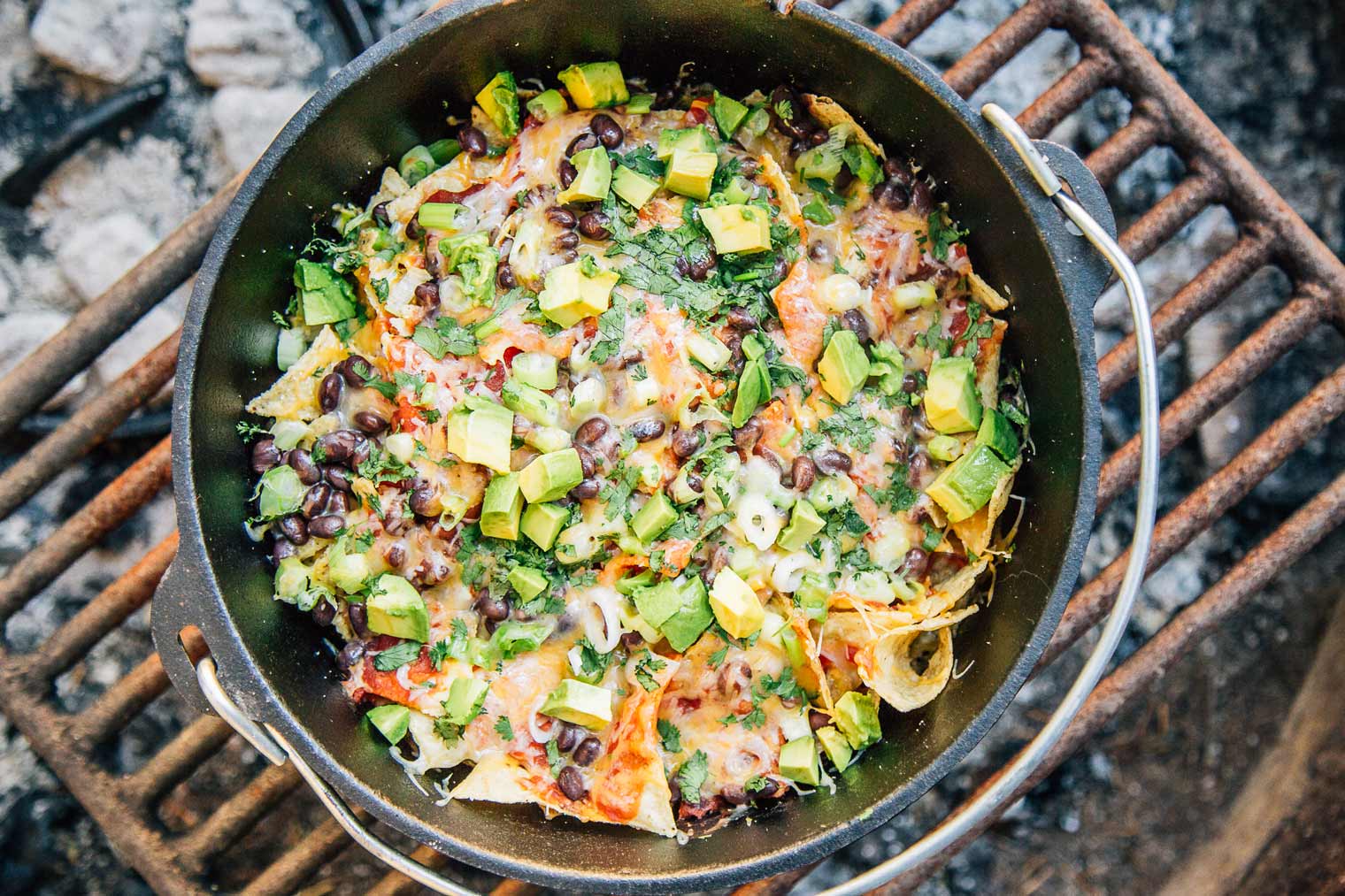
RV trips offer a great escape into nature while providing the basic comforts of home. You always have a small kitchen inside the vehicle, but cooking outside over an open fire creates a much better camping experience.
You do not need to be a professional chef to make delicious meals at your campsite. The best camping recipes use simple ingredients, require minimal prep work, and create few dirty dishes.
This guide provides a full menu of easy campfire recipes perfect for your next RV adventure!
Cooking in the Wild: Easy Campfire Recipes
Essential Campfire Cooking Gear
Before you start cooking, you must pack the right tools in your RV storage compartments. A standard frying pan from your home kitchen will melt or warp over the intense heat of a campfire. You need heavy-duty equipment designed for outdoor use.
A thick cast-iron skillet is the most important piece of cooking equipment you can own. Cast iron absorbs heat fast and withstands direct contact with burning wood and hot coals without taking any damage. It provides a great non-stick surface for cooking eggs, meat, and vegetables.
Heavy-duty aluminum foil is another crucial item for outdoor cooking and easy cleanup. You can wrap whole meals in foil and toss them right into the embers without needing any extra pots. The foil protects the food from the ashes and locks in the moisture.
Remember to pack a pair of thick leather gloves and long-handled metal tongs to protect your hands from the flames. Moving hot cast-iron pots and adjusting burning logs requires proper safety gear. A good pair of welding gloves works best for handling hot metal over an open fire.
Breakfast: Hearty Skillet Scramble
Starting your morning with a warm, filling breakfast gives you the energy needed for a day of outdoor activities. A cast-iron skillet scramble is an excellent way to feed a hungry group with minimal effort. You can cook the entire meal in one single pan to save time.
Place your cast-iron pan on the metal grate above the hot morning coals and add a spoonful of butter or cooking oil. Toss in diced potatoes, chopped onions, and sliced sausages, letting them cook until they turn brown and crisp. The cast iron will give the potatoes a great crunch.
Crack several eggs direct into the pan and stir everything together until the eggs cook through. Top the hot mixture with shredded cheese and let it melt over the ingredients before serving. You can scoop the scramble onto paper plates or wrap it in a flour tortilla for a quick breakfast burrito.
To save time at the campsite, chop all your vegetables and meat at home before the trip and store them in plastic containers inside your RV fridge. This simple prep step allows you to start cooking the moment you wake up without dirtying a cutting board.
Lunch: Upgraded Foil Packet Sandwiches
Lunchtime at the campsite should be fast and simple so you can get back to hiking or fishing. Instead of eating cold meat and bread, you can use the campfire to make warm, toasted sandwiches. This method turns a basic meal into a hot, comforting lunch.
Start with soft sandwich rolls and fill them with sliced ham, turkey, and your favorite cheese. Add a layer of mustard or mayonnaise, and then wrap each sandwich tight in a large square of aluminum foil. Make sure to seal the edges so the cheese does not leak out.
Place the foil packets on the edge of the fire near the warm coals for about ten minutes. The heat toasts the bread, melts the cheese, and warms the meat through to the center. You must turn the packets over once to ensure both sides of the bread get crispy.
This cooking method requires zero pots or pans, which means you have zero dishes to wash after you eat. You can even prepare these foil packets in the morning, carry them in your backpack, and cook them over a small trail fire for a hot picnic lunch.
Dinner: Campfire Dutch Oven Chili
After a long day of outdoor adventures, a hot bowl of chili is the perfect dinner to warm you up as the sun goes down. Using a cast-iron Dutch oven allows you to cook a massive batch of food over the fire in one single pot. It requires very little attention once it starts cooking.
Brown a pound of ground beef or turkey in the pot, then pour in canned crushed tomatoes, kidney beans, and black beans. Add chili powder, salt, and diced bell peppers, then stir the thick mixture together. You can add a splash of water if the chili looks too thick.
Put the heavy iron lid on the Dutch oven and place it deep in the hot coals to simmer for at least an hour. The thick metal walls distribute the heat, blending all the flavors together into a rich, satisfying stew. Stir the pot every twenty minutes to prevent the beans from burning on the bottom.
Let the chili cool for a few minutes before serving it in bowls with a handful of corn chips and some sour cream. Make sure you cook extra portions, because leftover chili tastes even better the next day when reheated on your indoor RV stove.
Dessert: Beyond the Classic S’mores
Traditional s’mores made with graham crackers and marshmallows are a famous camping treat, but they can get messy and boring. Baked campfire bananas offer a delicious and creative upgrade to your evening dessert routine. They require almost no prep work and taste amazing.
Take a whole banana with the peel still on and slice it down the middle to create a deep pocket. Stuff the opening with chocolate chips, mini marshmallows, and a handful of crushed nuts or peanut butter. You can pack as much filling into the fruit as you want.
Wrap the stuffed banana in a sheet of aluminum foil and set it near the edge of the fire for about ten minutes. The heat turns the inside of the fruit into a warm, sweet, and gooey dessert. You just unwrap the foil and eat the warm mixture with a spoon right out of the peel.
You can customize this recipe for everyone in your group by letting them choose their own sweet fillings. It is a fun, interactive dessert that requires almost zero cleanup before you head into the RV for the night.
Fire Safety and Cleanup
Cooking over an open fire requires a strong commitment to safety and environmental responsibility. You must monitor the flames at all times and keep a large bucket of water or a fire extinguisher near your cooking area. A sudden gust of wind can blow hot embers into dry grass.
When you finish your meal, you cannot just walk away and let the fire burn out on its own. You must pour water over the hot coals, stir the wet ashes with a stick, and add more water until the fire pit is cold to the touch. This prevents forest fires from starting after you go to sleep.
Never throw your aluminum foil or plastic food wrappers into the fire pit to burn. Modern food packaging contains chemicals that release toxic smoke, and the leftover metal pieces will pollute the campsite for the next visitors. Always pack your trash out in garbage bags.
Always practice the strict “Leave No Trace” rule by throwing all your food scraps into the designated bins at the RV park. Wild animals like bears and raccoons will visit your campsite at night if they smell leftover chili or bacon grease near the fire ring.
Conclusion
You do not need complex recipes or a dozen different pots to feed your family in the wild. Keep your menu simple and focus on the fun of cooking outside with easy campfire recipes.
Once you master the basics of cooking over hot coals, you can experiment with new ingredients and build your own custom campfire menu. The options are endless!