


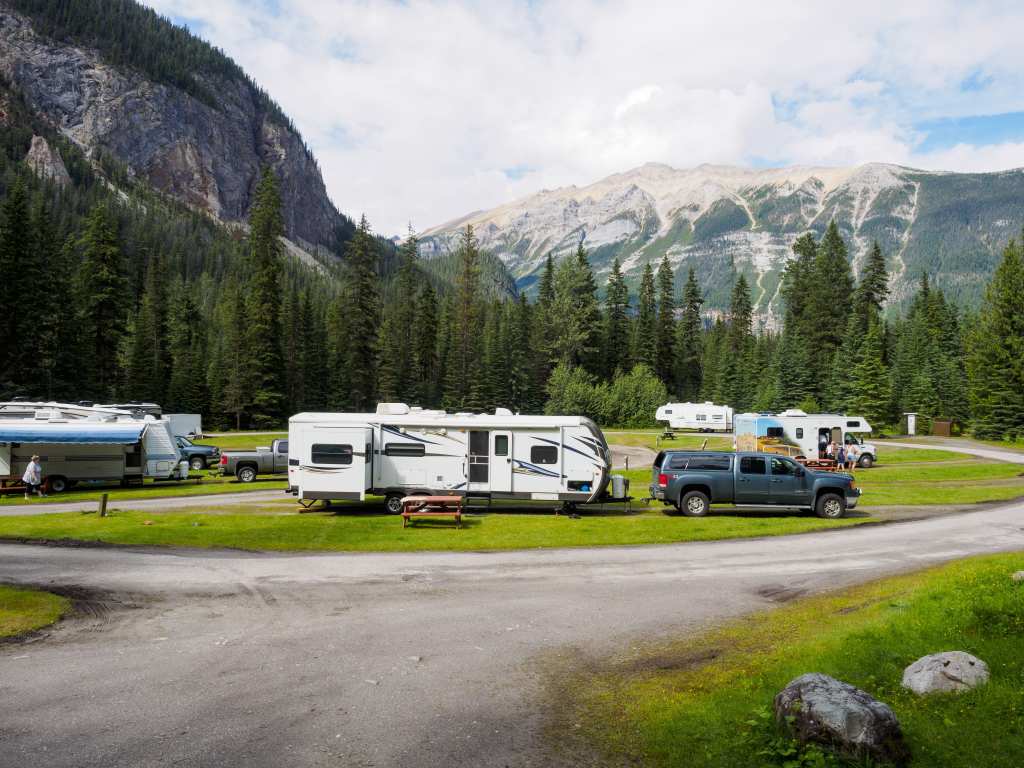
Taking an RV across the country is a big adventure. It requires a lot of driving over thousands of miles. Your vehicle must handle different climates, high mountains, and long highways.
Preventative maintenance keeps you safe and saves cash. You need to inspect the vehicle from top to bottom before you leave your driveway. A good RV maintenance checklist prevents major problems on the road!
RV Maintenance Checklist Before a Long Trip
Inspecting the Tires and Brakes
RV tires carry a massive amount of weight. A tire blowout at highway speeds causes severe accidents and rips apart the side of your camper. You must inspect all tires, including the spare.
Check the tire pressure when the tires are cold. Use a digital gauge to match the exact pressure listed in your owner’s manual. RV tires expire after five to seven years, even if the tread still looks brand new, so check the date codes on the rubber walls and replace them if they are too old.
Brakes are just as important as tires. A heavy RV requires strong stopping power, most of all on steep downhill mountain roads. Listen for squeaking or grinding noises when you step on the pedal.
Inspect the brake pads and rotors for wear. If you tow a travel trailer, test the electronic brake controller inside your truck. Make sure the trailer stops at the exact same time as your vehicle.
Checking the Engine and Fluids
The engine does a lot of hard work during a cross-country trip. It pulls thousands of pounds for hours without a break. You must give the engine fresh fluids to keep it cool and lubricated.
Check the oil level and the oil color. Change the oil and the oil filter before a long trip. Fresh oil prevents the engine parts from grinding together and causing permanent damage.
Inspect the engine coolant tank. Coolant stops your engine from overheating during steep climbs in the hot summer sun. Top off the fluid and check the rubber radiator hoses for leaks or soft spots.
Do not forget the transmission fluid. A heavy load creates intense heat in the transmission. Check the fluid level while the engine is running and warm, and change it if the liquid looks dark or smells burned.
Testing the RV Battery System
Your RV relies on a strong battery system to power the lights, water pump, and refrigerator. Without power, your camper becomes a dark and uncomfortable box. You must test the batteries before you leave grid power behind.
Start by cleaning the battery terminals. Use a wire brush to remove any white corrosion on the metal posts. A clean connection ensures the battery charges well while you drive.
Use a multimeter to check the voltage of your deep-cycle batteries. A healthy 12-volt battery should read near 12.6 volts with a full charge. If the number drops fast under a load, you need a new battery.
If you have flooded lead-acid batteries, check the water levels inside the plastic casing. Add distilled water to cover the lead plates. Never use regular tap water, as the minerals will destroy the battery cells over time.
Inspecting the Roof and Seals
Water damage destroys an RV faster than anything else. A small leak in the roof rots the wood frame and creates toxic mold inside the walls. You must waterproof the exterior before a long trip.
Climb a ladder and inspect the entire roof surface. Look at the sealant around the air conditioner, vents, and skylights. The sun dries out this caulk over time, causing it to crack and peel.
Buy a tube of self-leveling lap sealant designed for RV roofs. Clean the old cracked caulk and apply a fresh layer of sealant over the top. This creates a strong barrier against heavy rainstorms.
Check the rubber seals around your slide-outs and windows. Wipe them clean and spray them with a silicone conditioner. This stops the rubber from tearing and keeps the slide-out motors working without extra strain.
Sanitizing the Water Systems
You need clean, safe water for drinking, cooking, and taking showers on the road. Water sitting in a dark plastic tank grows bacteria and algae. You must clean the entire system before you use it.
Drain all the old water out of the fresh tank, the water heater, and the pipes. Mix a quarter cup of household bleach with one gallon of water for every fifteen gallons of tank capacity. Pour this mixture into the fresh water tank.
Turn on the water pump and open all the sinks and showers. Let the water run until you smell the bleach at each faucet. Let the mixture sit in the pipes for at least twelve hours to kill all the germs.
Drain the bleach water and flush the system with clean water. Run the faucets until the bleach smell disappears. Keep a fresh inline water filter attached to your drinking hose to block dirt and sand at the campgrounds.
Checking the Propane and Safety Alarms
Propane runs your stove, furnace, and often your refrigerator. A propane leak causes fires and explosions. You must inspect the gas lines for safety.
Mix dish soap and water in a spray bottle. Spray this soapy water onto the propane tank valves and hose connections. If you see bubbles forming and growing, you have a gas leak that needs a fast fix.
Fill your propane tanks to the top before you leave town. Buying propane on the highway or inside national parks costs much more than buying it at a local hardware store.
Check the safety alarms inside the RV cabin. Test the smoke detector, carbon monoxide detector, and LP gas detector. Put fresh batteries in all the alarms to keep your family safe while you sleep.
Conclusion
Do not wait until the day before your trip to check these items on the RV maintenance checklist. Start your inspections a few weeks early. This schedule gives you plenty of time to visit a mechanic if you find a major problem.
Grab your tools, print this checklist, and head out to your driveway. Once you finish the maintenance, you can pack your bags and start your engine. Safe travels on your big adventure across the country!