


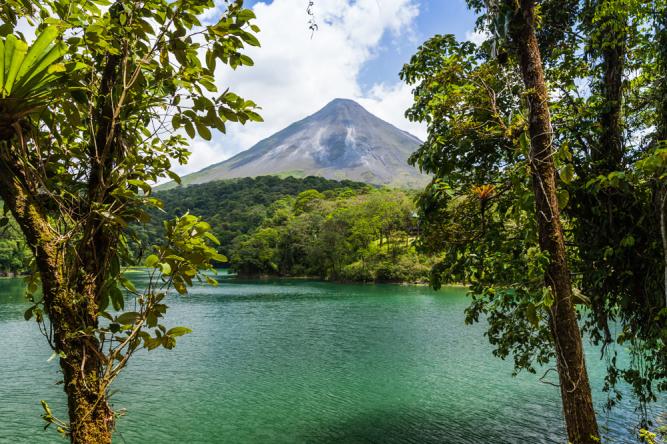
Costa Rica holds five percent of the earth’s biodiversity. Millions of animals live in this small country. Travelers visit just to see exotic creatures in their natural habitat.
The jungles house famous animals like sloths, monkeys, and macaws. You can find them in national parks and near local beaches. You do not need a zoo to see them.
This guide highlights the best locations to find the most popular animals. It will help you plan your travel route and increase your chances of a great Costa Rica wildlife sighting.
Where to Spot Costa Rica Wildlife?
Spotting Sloths in the Wild
Sloths are the most requested animal sighting in Costa Rica. These slow creatures spend most of their time hanging upside down in tall trees. They sleep for up to fifteen hours a day.
Manuel Antonio National Park is a prime location to find both two-toed and three-toed sloths. The park has clear trails and a large sloth population. You can spot them resting in the branches near the main walking paths.
The Caribbean coast is another top sloth destination. Towns like Puerto Viejo and Cahuita have sloths living right above the town streets. Look up into the light-colored Cecropia trees, as wild sloths love to eat their large leaves.
Sloths move at a slow pace. This makes them hard to spot when they sit still. Bring a pair of binoculars to see their faces hidden in the thick leaves.
Finding Monkeys in the Canopy
Costa Rica is home to four types of monkeys. You can see howler, capuchin, squirrel, and spider monkeys. They travel in large groups and make a lot of noise.
You will hear the howler monkeys before you see them. Their loud calls echo through the forest for miles. You can find them in most regions, including the dry forests of Guanacaste.
White-faced capuchin monkeys are common near the beaches of Manuel Antonio. They are smart and bold around humans. Never leave your backpack open on the sand, because these monkeys will steal your snacks in seconds.
For a chance to see all four monkey species in one place, visit Corcovado National Park. This wild region in the south holds dense jungles and untouched habitats. It is the best spot for serious wildlife watchers.
Watching Macaws Take Flight
Scarlet macaws are massive, bright red parrots with blue and yellow wings. They mate for life and almost always fly in pairs. Seeing them fly across a blue sky is an unforgettable moment.
These birds suffered from habitat loss in the past. Thanks to conservation efforts, their numbers are growing again. You can now see them thriving in specific coastal areas.
Carara National Park is the best place to see wild scarlet macaws. This park sits near the Pacific coast and serves as a major breeding ground. The best time to see them is just after sunrise when they leave their nests to find food.
The Osa Peninsula is another great location for macaw watching. You will often see them eating almonds in the trees right next to the beach. Look for dropped almond shells on the ground to locate their favorite feeding trees.
Discovering Sea Turtles on the Beach
Costa Rica offers incredible marine wildlife along its two coastlines. Sea turtles visit these beaches every year to lay their eggs. It is a major event for nature lovers.
Tortuguero National Park on the Caribbean coast is famous for green sea turtles. The nesting season runs from July to October. During this time, thousands of turtles come ashore at night.
On the Pacific side, the Ostional Wildlife Refuge hosts the Olive Ridley sea turtles. They arrive in massive groups called an “arribada.” Hundreds of turtles cover the beach all at once.
You must book a guided night tour to see the turtles nesting. Flashlights and cameras scare the animals away. Tour guides use special red lights to keep the turtles safe and calm.
Hiring a Professional Guide
You can explore the national parks on your own, but you might miss a lot of animals. The jungle is thick, and the animals know how to hide from predators.
Hiring a local naturalist guide changes the entire experience. These experts know the animal calls and footprints. They know which trees the animals prefer to use for sleep and food.
Guides carry spotting scopes on large tripods. They set up the scope and let you look through the lens. You can even place your phone against the scope to take clear, close-up photos of a resting sloth.
You can hire a certified guide right at the entrance of most national parks. Agree on the price before the tour starts, and bring small cash to tip them at the end.
Conclusion
Costa Rica is a top destination for wildlife lovers. You do not need to go on an African safari to see amazing animals. The jungle holds wonders around every corner.
Remember to pack your binoculars, wear good walking shoes, and bring patience. Costa Rica wildlife sightings take time and a bit of luck!
Respect the rules of the national parks and give the animals plenty of space. Enjoy the sounds and sights of the tropical rainforest on your next adventure.