


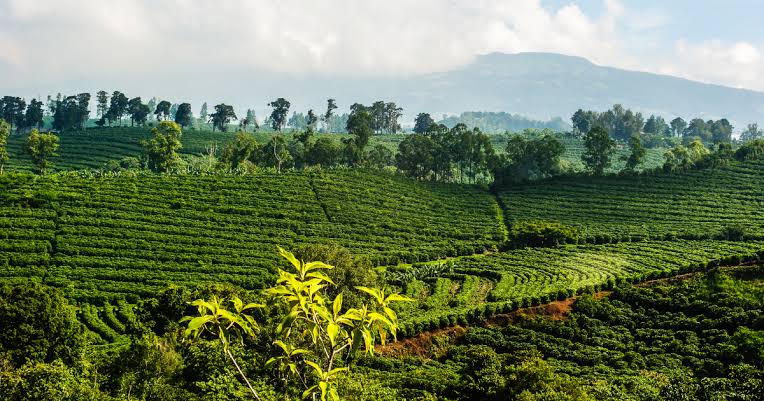
Costa Rica produces some of the best coffee in the world. The crop is a major part of the national culture, economy, and history. The volcanic soil and warm weather create perfect conditions for growing high-quality beans.
Taking a coffee tour is a must-do activity for any visitor. These tours happen on active, working farms. You get to walk through the green fields, see the processing machines, and taste fresh brews.
This guide explains what happens on a standard Costa Rican coffee tour. It will help you know what to expect and how to prepare before you book your trip.
Guide to Costa Rican Coffee Tours and Tastings
The Central Valley: The Heart of Coffee Country
You can find coffee farms all over Costa Rica. However, the Central Valley is the most famous region for growing the beans. The high altitude and cool mountain air make the coffee taste better.
Towns like Tarrazú, Naranjo, and Tres Ríos sit at the center of this industry. The farms here have operated for generations. They produce beans that win international awards every year.
Many of the oldest and largest coffee estates sit near the capital city of San Jose. This makes them very easy to visit on a half-day trip. You can take a short taxi ride from the city center to reach the farm gates.
When planning your trip, book a morning tour instead of an afternoon one. The mountains often get heavy rain showers after lunch, so a morning start keeps you dry while walking outside.
The Farm Tour: From Seed to Harvest
The tour always begins out in the fields. A guide will walk you through rows of green coffee bushes. You will learn how farmers plant the seeds in nurseries and care for the young plants.
It takes several years for a new plant to produce fruit. The fruit looks like a small red berry, and people call it a coffee cherry. The actual coffee bean hides inside this red skin.
The guide will explain the harvesting process. In Costa Rica, workers pick the coffee cherries by hand. This ensures they only harvest the ripe, red fruit and leave the green ones on the branch to grow.
Make sure to wear closed-toe walking shoes and use bug spray. You will walk on dirt paths and step through tall grass during this part of the farm tour.
The Processing Plant: Washing and Drying
After the harvest, the workers move the cherries to a processing area. This is where the red fruit turns into a raw coffee bean. The guide will show you the water tanks and machines used for this step.
First, the machines strip the red fruit skin away from the inner seed. Water then washes the sticky residue off the beans. The farm often recycles this water and uses the old fruit skins as fertilizer.
The next step involves drying the wet beans. Farms spread the beans out on large concrete patios to bake in the hot sun. This step takes several days to complete.
Workers use large wooden rakes to turn the beans throughout the day. This guarantees the beans dry at an even rate before they go into storage bags.
The Roasting Process: Creating the Flavor
Dried green coffee beans have almost no flavor or smell. They must go through the roasting process to become the brown beans you recognize. The tour guide will walk you into the roasting room to see this happen.
You will see large metal roasting machines. These metal drums heat the beans to high temperatures. The beans expand, change color, and release their oils as they cook.
The total roast time determines the final taste of the coffee. A light roast keeps more natural fruit flavors, while a dark roast tastes bold and bitter. The roaster must watch the clock and the temperature gauge at all times.
Costa Ricans traditionally prefer a medium or dark roast. You will smell the rich smoke outside the roasting room before you even walk through the door.
The Tasting Experience: How to Cup Coffee
The tasting session is the final and best part of the tour. Professionals call this process “cupping.” You will sit at a table with several different cups in front of you.
The guide will prepare different roasts for you to try. You will learn to smell the dry coffee grounds first to find sweet or nutty notes. Next, the guide pours hot water over the grounds.
You will use a spoon to break the crust of grounds on top of the water. You inhale the wet aroma as the steam rises. After a few minutes, the coffee cools down enough to drink.
When you taste the coffee, slurp it loud from your spoon to mix the liquid with air. This covers your entire tongue and helps you taste all the hidden flavors in the cup.
Buying Coffee to Take Home
Every tour ends at a gift shop or cafe. This is your chance to buy fresh coffee straight from the source. It makes a great souvenir for friends and family back home.
Whole beans stay fresh much longer than pre-ground coffee. Buy whole beans and grind them at home for the best taste. You can also buy small bags to sample different roasts.
Check the roast date on the back of the bag before you pay. You want to buy coffee roasted within the last few weeks for maximum flavor.
When you shop, look for bags marked “Tarrazú” or “Tres Ríos” on the label. These specific growing regions produce the highest-rated and most famous beans in the country.
Conclusion
A Costa Rican coffee tour gives you a new appreciation for your morning routine. It takes a lot of time and manual labor to produce a single cup. You see the journey from the dirt to the mug.
The experience shows you the local culture and agriculture firsthand. It connects you to the farmers who work the land to support their families. It is an educational and fun way to spend a morning!