


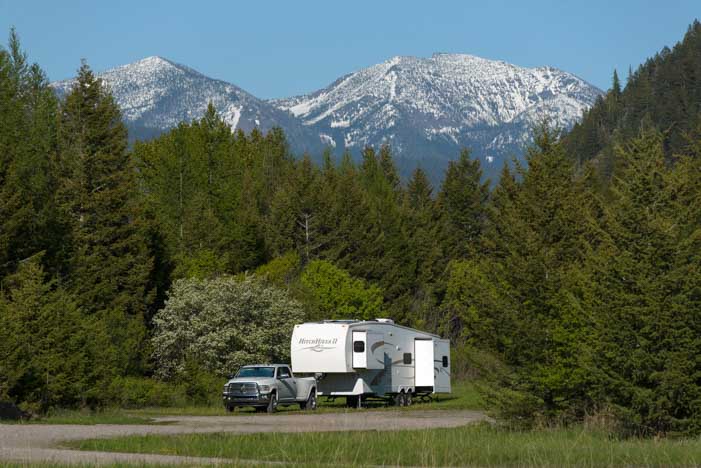
Boondocking means camping off the grid in your vehicle without water or power hookups. It allows you to sleep on wild beaches, in dense jungles, and near ancient ruins. Thousands of van-lifers and overlanders drive through Central America every year to experience this freedom.
This style of travel saves a lot of money and keeps you away from crowded tourist resorts. You get to wake up to the sound of ocean waves or tropical birds. It is a beautiful way to see the world.
However, the idea of sleeping in a van in a foreign country causes a lot of anxiety. Friends and family back home often warn travelers about crime and danger in the region. The question of safety is the biggest concern for new campers.
The short answer is yes, boondocking in Central America is safe. You just need to follow basic security rules, prepare your vehicle, and use common sense. This guide explains how to stay secure while camping off the grid.
What To Do When Boondocking in Central America
Understanding the Safety Landscape
News channels paint a grim picture of Central America. They focus on gang violence and political unrest. The reality on the ground for foreign tourists is quite different from what you see on television.
Safety levels change depending on the country you visit. Costa Rica and Panama offer very safe environments for wild camping. Countries like Honduras and El Salvador require more caution and careful planning before you park for the night.
Most crime against tourists involves petty theft, not violent attacks. Thieves look for unlocked doors, open windows, and unattended cameras. They want easy targets and avoid confrontation with campers.
Awareness is your best defense against theft. Pay attention to the people around you and notice if someone watches your van too close. Check the iOverlander app on your phone every afternoon to read recent security reports from other campers before you choose a spot.
Choosing the Right Location
Where you park determines your level of safety. You cannot just pull over on the side of a busy highway and go to sleep. Finding a secure spot takes time and research.
Avoid sleeping in large cities. Urban areas have higher crime rates and more noise. Plan your driving schedule so you can sleep in rural areas, small farming towns, or remote nature reserves.
Modern gas stations serve as excellent backup locations. Stations like Puma or Terpel often have bright lights, security cameras, and armed guards on duty. They offer a secure place to sleep when you cannot find a good spot in nature before dark.
Trust your gut feeling at all times. If a location gives you a bad feeling, start the engine and leave. Never stay in a spot that makes you nervous, even if you are tired from a long day of driving.
Securing Your Vehicle and Camp
Your camper is your home, and you must protect it. Thieves want quick access to grab items and run away. Make your vehicle a hard target to discourage them.
Add extra physical locks to all your van doors. Hide your valuables in a bolted metal safe inside the vehicle. Never leave laptops, phones, or expensive sunglasses sitting on the front seats where people can see them through the window.
Keep the driver’s seat clear of clutter while you sleep. You might need to turn the key and drive away fast in the middle of the night. Do not put boxes or bags on the front seats to make more room in the back.
Light is a great deterrent for thieves. Install motion-sensor lights on the outside of your camper. Bright lights will scare away anyone who tries to sneak around your camp in the dark.
The Role of the Local Community
The local people offer your best protection in Central America. Good people live everywhere, and they want tourists to have a good experience in their country. They know the area better than any map or app.
When you find a wild beach or a dirt road, look for a nearby resident or farm worker. Smile, say hello in Spanish, and ask for permission to park. They will tell you if the area is safe for the night.
Build goodwill with the community. Buy fresh fruit from the corner store and wave to the people walking past your camp. A friendly attitude goes a long way in keeping you secure.
A small fee brings massive peace of mind. Offer a few dollars to a local restaurant owner to park in their lot overnight. They will keep a close eye on your van and make sure nobody bothers you while you sleep.
Dealing with Police and Checkpoints
You will encounter many police and military checkpoints on the highways. This constant police presence deters crime and keeps the roads secure. Do not let the men with large rifles intimidate you.
Police officers sometimes approach your van at night while you sleep. They knock on the window to see who is inside. They just want to verify you are a tourist and ensure you are safe in that specific area.
Keep your documents ready in a folder near the front seat. You will need to show your passport, driver’s license, and vehicle import papers. Hand them to the officers with a polite and calm attitude.
Beware of corrupt officers asking for bribes for fake traffic tickets. Hand them a color copy of your passport instead of the real book, and insist on driving to the official police station to pay the fine in person.
Managing Wildlife and Environmental Hazards
Crime is not the only danger in Central America. Nature presents its own set of risks for off-grid campers. You must consider the environment before you turn off your engine.
Be careful when parking on the beach. Never park too close to the ocean water. The high tide comes in fast at night and can trap your heavy vehicle in the wet, sinking sand.
Avoid parking in dry riverbeds, especially during the rainy season. Heavy rain in the distant mountains can cause a flash flood. Water will rush down the riverbed in minutes and wash your camper away.
Protect yourself from tropical bugs and animals. Keep your window screens zipped tight to prevent mosquito bites and dengue fever. Shake out your shoes every morning to check for scorpions before you put your feet inside.
Conclusion
Boondocking in Central America offers a rewarding and incredible travel experience. It gives you total freedom to explore hidden waterfalls, ancient ruins, and surfing beaches. You wake up to views that money cannot buy.
This travel style requires active effort and common sense. You cannot park with the same careless attitude you might use in North America. You must plan your nights and secure your vehicle.
The safety risks are manageable for anyone willing to pay attention. Use good locks, talk to the local people, and avoid big cities at night. The good experiences will far outweigh the bad ones.
Pack your van and start your engine. Thousands of travelers drive this route every year without any security problems at all. You can do it too with the right mindset and preparation.